logo
제품 소개페로 규소 합금

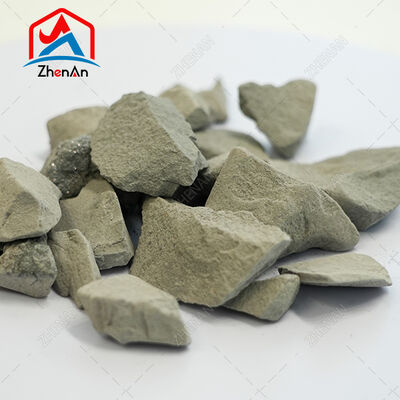
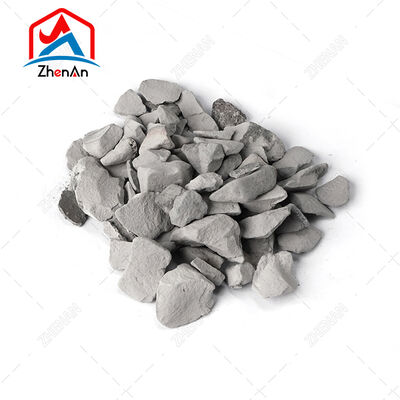
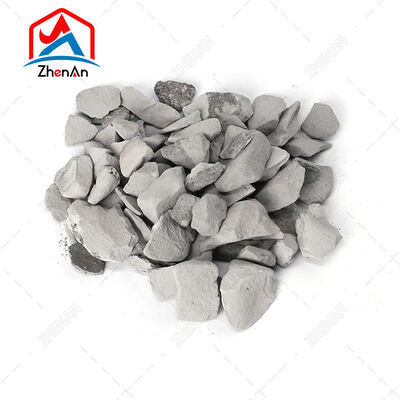
Ferro Silicon Nitride FeSiN for Metallurgy and Steel Industry High Strength Anti Oxidation Refractory Additive Material

제가 지금 온라인 채팅 해요

Ferro Silicon Nitride FeSiN for Metallurgy and Steel Industry High Strength Anti Oxidation Refractory Additive Material

Ferro Silicon Nitride FeSiN for Metallurgy and Steel Industry High Strength Anti Oxidation Refractory Additive Material
Ferro Silicon Nitride FeSiN for Metallurgy and Steel Industry High Strength Anti Oxidation Refractory Additive Material Ferro Silicon Nitride FeSiN for Metallurgy and Steel Industry High Strength Anti Oxidation Refractory Additive Material Ferro Silicon Nitride FeSiN for Metallurgy and Steel Industry High Strength Anti Oxidation Refractory Additive Material Ferro Silicon Nitride FeSiN for Metallurgy and Steel Industry High Strength Anti Oxidation Refractory Additive Material Ferro Silicon Nitride FeSiN for Metallurgy and Steel Industry High Strength Anti Oxidation Refractory Additive Material

큰 이미지 :  Ferro Silicon Nitride FeSiN for Metallurgy and Steel Industry High Strength Anti Oxidation Refractory Additive Material

제품 상세 정보:
원래 장소: 중국
브랜드 이름: ZHENAN
인증: ISO9001
모델 번호: FeSi 질화물
결제 및 배송 조건:
최소 주문 수량: 협상 가능
가격: 협상 가능
포장 세부 사항: 1MT 큰 가방 또는 고객 요청에 따라
배달 시간: 지불금을 받은 후 영업일 기준 5-10일
지불 조건: L/C, T/T, 웨스턴 유니온
공급 능력: 2000MT/월

Ferro Silicon Nitride FeSiN for Metallurgy and Steel Industry High Strength Anti Oxidation Refractory Additive Material

설명
재료: FeSi 질화물 크기: 10-50mm
실리콘 함량: 70-80% 철분 함량: 20-30%
질소 함량: 20-35% 벌크 밀도: 2.5-3.2g/cm3
강조하다:

Ferro Silicon Nitride refractory additive

,

FeSiN steel industry material

,

Ferro Silicon Alloy anti oxidation

Ferro Silicon Nitride FeSiN for Metallurgy and Steel Industry
High Strength Anti Oxidation Refractory Additive Material
Why Choose Ferro Silicon Nitride (FeSiN) for Metallurgy and Steel Industry?
  • High-strength reinforcement for refractory structures
  • Excellent anti-oxidation performance at >1400°C
  • Dual function: nitrogen alloying + thermal stability improvement
  • Reduces refractory cracking and extends service life
  • Stable composition for large-scale metallurgical operations
What Is Ferro Silicon Nitride and Why Is It Used in Metallurgy?
Ferro Silicon Nitride (FeSiN) is a composite alloy composed of silicon, nitrogen, and iron, specifically engineered for metallurgical and refractory applications. It serves as both a nitrogen carrier in steelmaking and a high-performance additive in refractory materials.
In metallurgical processes, FeSiN enhances steel properties by refining the microstructure and improving strength. In refractory systems, it increases resistance to oxidation and thermal shock, ensuring stable performance under extreme operating conditions.
Typical Specifications of FeSiN
Parameter Specification Range
Silicon (Si) 40-60%
Nitrogen (N) 20-35%
Iron (Fe) Balance
Carbon (C) ≤1.5%
Particle Size 10-50 mm / customized
Form Lump / granule
Bulk Density 2.5-3.2 g/cm³
Application Metallurgy / refractory
How Does FeSiN Improve Strength and Performance in Steelmaking?
FeSiN introduces nitrogen into molten steel, which plays a critical role in strengthening the metal matrix. Nitrogen promotes the formation of fine grains, leading to improved mechanical properties such as tensile strength, hardness, and wear resistance.
At the same time, silicon acts as a deoxidizer, helping to purify molten steel. This combination allows FeSiN to enhance both steel quality and production efficiency, making it a valuable additive for modern steel plants.
Why Is FeSiN Effective as an Anti-Oxidation Refractory Additive?
In high-temperature environments, oxidation is a major factor that degrades refractory materials. FeSiN improves oxidation resistance by forming stable compounds that protect the internal structure from oxygen penetration.
This protective effect ensures that refractory materials maintain their integrity even during prolonged exposure to extreme temperatures. As a result, industries benefit from longer refractory life, reduced maintenance frequency, and lower operational costs.
How Does FeSiN Enhance Thermal Stability in Metallurgical Furnaces?
Thermal stability is critical in metallurgical operations where materials are exposed to repeated heating and cooling cycles. FeSiN strengthens the internal bonding of refractory materials, allowing them to better withstand thermal stress.
Its ability to maintain structural integrity at high temperatures reduces the risk of deformation and failure. This ensures consistent furnace performance and improved production reliability.
FeSiN Grade Comparison
FeSiN 30 vs FeSiN 20: Which Grade Offers Better Performance?
FeSiN 30 has a higher nitrogen content, making it more effective in improving steel strength and refractory stability. It is ideal for high-end metallurgical applications requiring superior performance.
FeSiN 20, with lower nitrogen content, is more cost-effective and suitable for standard applications where extreme performance is not necessary.
FeSiN vs Silicon Nitride: Which Is More Practical for Industry?
FeSiN offers a balanced combination of metallic and ceramic properties, making it easier to use in large-scale metallurgical processes.
Silicon nitride provides higher purity and ceramic strength but is more expensive and typically reserved for specialized engineering applications rather than bulk industrial use.
FeSiN vs Ferrosilicon: What Makes FeSiN Superior?
Ferrosilicon mainly acts as a deoxidizer and lacks nitrogen content.
FeSiN, on the other hand, provides both silicon and nitrogen, enabling enhanced steel strength, improved refractory performance, and better resistance to oxidation, making it a more advanced material for modern metallurgy.
Key Benefits of Using FeSiN
FeSiN delivers comprehensive advantages across metallurgy and refractory applications:
  • Improves steel mechanical properties
  • Enhances refractory oxidation resistance
  • Increases thermal stability in high-temperature environments
  • Reduces production downtime and maintenance costs

연락처 세부 사항
Zhenan Metallurgy Co., Ltd

담당자: Mr. xie

회사에 직접 문의 보내기 (0 / 3000)